

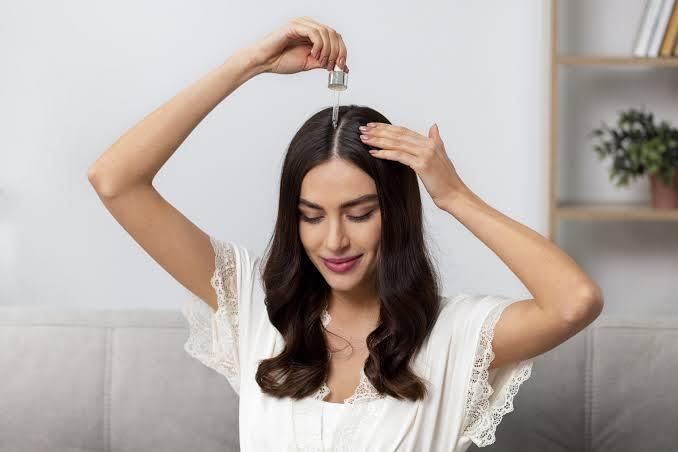
Botanical Science of Using a Herbal Oil for Hair Fall Control
Long before laboratory-synthesized hair loss drugs existed, botanical healers relied on synergistic
plant infusions to preserve thick, flowing hair into old age. Today, modern trichology confirms that a
multi-herb herbal oil for hair fall control works through complex phytochemical pathways that
single-molecule synthetics struggle to replicate. Hair shedding is rarely caused by a single factor;
instead, it stems from a combination of oxidative free-radical damage, sluggish microcirculation,
microbial imbalance, and weak keratin synthesis.
By infusing complementary medicinal leaves, flowers, roots, and seeds into a cold-pressed lipid base,
a well-formulated herbal oil for hair fall control delivers flavonoids, alkaloids, saponins, and
terpenoids directly into the follicular canal. Using a targeted herbal oil for hair fall control
addresses every stage of the hair cycle simultaneously—extending the anagen growth phase while
preventing premature entry into the telogen shedding phase.
How Plant Secondary Metabolites Fortify Hair Follicles
Plants produce secondary metabolites such as polyphenols and tannins to defend themselves against
harsh UV radiation and microbial attack. When extracted into a herbal oil for hair fall control
and massaged onto the human scalp, these exact compounds scavenge reactive oxygen species (ROS)
caused by urban air pollution and sun exposure. Oxidative stress around the dermal papilla is a
primary trigger for premature follicular aging and thinning.
Furthermore, vasoactive herbs present in a potent herbal oil for hair fall control gently dilate
peripheral capillaries beneath the epidermis. Improved blood flow ensures that dividing matrix cells
inside the hair bulb receive a steady supply of sulfur-rich amino acids, iron, zinc, and biotin.
Synergistic Herbs and Their Targeted Actions
Medicinal Herb Key Phytochemicals Role in a Herbal Oil for Hair Fall Control
Curry Leaves (Murraya
koenigii)
Carbazole alkaloids & beta-
carotene
Rejuvenates dormant hair bulbs and prevents
protein loss at the root shaft.
Neem & Tulsi Leaves Nimbidin, eugenol & ursolic
acid
Maintains a balanced scalp microbiome and
clears follicle-clogging dandruff.
Aloe Vera & Gotu Kola
(Mandukaparni)
Asiaticoside &
mucopolysaccharides
Stimulates dermal collagen remodeling to
anchor fragile hair roots firmly.
Fenugreek & Kalonji Seeds Diosgenin, trigonelline &
thymoquinone
Calms perifollicular inflammation and
thickens individual strand diameter.
Best Practices for Weekly Herbal Oil Therapy
Maximizing results from your herbal oil for hair fall control requires mindful application and
regular consistency. Twice or thrice a week, pour two tablespoons of your herbal oil for hair fall
control into a small dish and warm it gently until it feels slightly above body temperature. Warmth
reduces surface tension, allowing the herbal lipids to seep deep into the follicular ostia.
Dip your fingertips into the warm herbal oil for hair fall control and work systematically along
parted sections from the front hairline to the crown and nape. Massage with firm, slow circular
pressure for five minutes, then comb through with a wide-tooth wooden comb to distribute the
botanical nutrients evenly before leaving it on for at least ninety minutes prior to shampooing.
Building Resilient, Voluminous Hair Naturally
Unlike chemical treatments that trigger severe rebound shedding the moment you stop using them, a
herbal oil for hair fall control nurtures lasting structural health in your scalp skin. Over six to
eight weeks of disciplined use, daily comb loss drops dramatically while baby hairs sprout along
thinning part lines. Choose a cold-infused, preservative-free herbal oil for hair fall control today
and let nature’s pharmacy keep your locks abundant and strong.